AVANT GARDE MAGAZINE
Avant Garde Magazine (1968–1971) was one of the most daring, visually radical, and culturally confrontational publications of its era — a short‑lived but explosive force that reshaped graphic design and pushed the boundaries of American print culture. Its impact came not from mass circulation, but from the intensity of its aesthetic experimentation and its willingness to provoke at a moment when the U.S. was roiling with political unrest, cultural upheaval, and artistic reinvention.
Origins and Editorial Vision
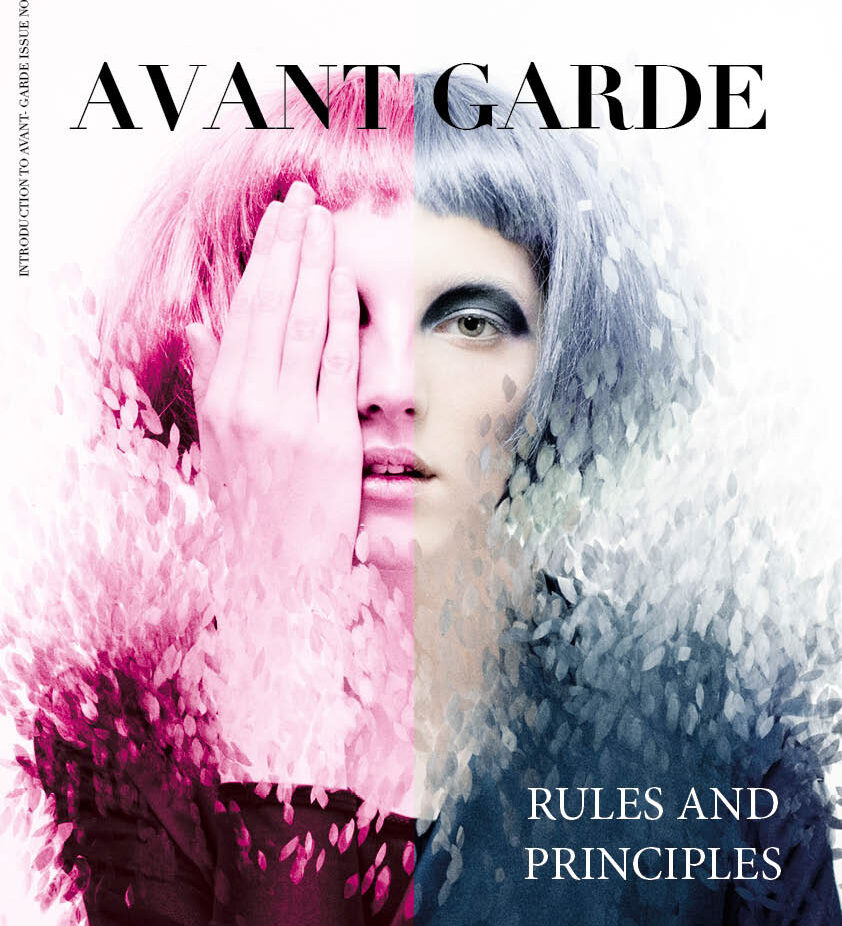
Avant Garde was launched in January 1968 by editor Ralph Ginzburg, already known for two controversial predecessors: Eros (erotica) and Fact (political satire). Avant Garde became the third collaboration between Ginzburg and visionary designer Herb Lubalin, whose typographic innovations would define the magazine’s identity.
Ginzburg’s goal was to create a publication that fused forward‑looking art, politics, and culture — a magazine that didn’t simply report on the zeitgeist but embodied it. It ran for 14 issues, ending in July 1971, its lifespan cut short by financial strain and Ginzburg’s ongoing legal battles stemming from earlier projects.
Design Innovation: Lubalin’s Visual Revolution
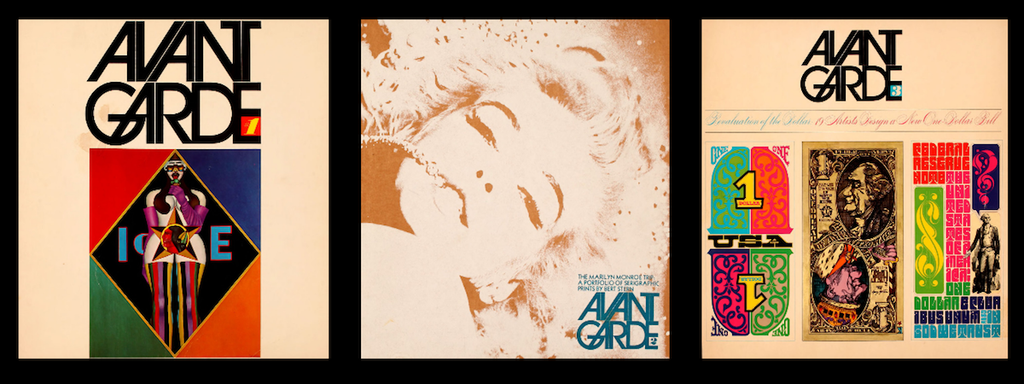
Avant Garde’s most enduring legacy lies in its graphic design. Herb Lubalin’s work on the magazine was so influential that it spawned the ITC Avant Garde Gothic typeface, released commercially in 1970.
Key design hallmarks included:
- Geometric sans‑serif typography with extreme ligatures
- Logogram‑driven layouts that blurred the line between text and image
- Dense, provocative visual storytelling
- Square-format pages that broke from traditional magazine proportions
These innovations made Avant Garde a touchstone for art directors, advertisers, and designers in New York and beyond. Even with modest circulation, its influence spread through professional circles where design experimentation mattered most.
Content and Cultural Provocation
Avant Garde’s editorial stance was unapologetically confrontational. While not legally obscene, its pages were filled with:
- Sexual themes and erotic imagery
- Caustic critiques of American politics and society
- Bold language and taboo subjects
- Subversive reinterpretations of patriotic iconography
Examples include:
- A cover featuring a naked pregnant woman, challenging norms around sexuality and motherhood.
- A parody of “The Spirit of ’76” replacing traditional figures with a white woman and a Black man — a pointed commentary on race and nationalism.
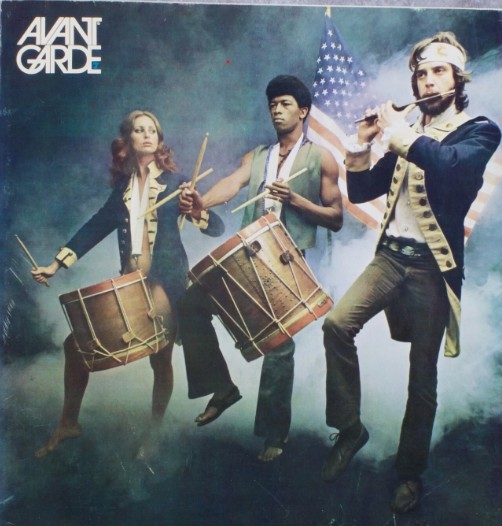
This blend of political satire, sexual candor, and avant‑garde art made the magazine a lightning rod for cultural debate.
Legal and Social Context
Although Avant Garde itself was never prosecuted, its existence was shaped by Ginzburg’s earlier obscenity conviction related to Eros, upheld in Ginzburg v. United States (1966). He began serving a three‑year sentence in 1972, shortly after Avant Garde ceased publication.
This legal backdrop heightened the magazine’s aura of rebellion and underscored the era’s tensions around free expression, sexuality, and government censorship.
Impact and Legacy
Despite its brief run, Avant Garde left a lasting imprint:
1. Graphic Design & Typography
Lubalin’s typographic experiments became foundational in modern design education. The ITC Avant Garde Gothic typeface remains widely used, though often misunderstood or misapplied — a testament to its cultural reach.
2. Cultural Commentary
The magazine captured the spirit of late‑1960s radicalism, offering a visual and editorial critique of American norms during a period marked by Vietnam, civil rights struggles, and generational upheaval.
3. Influence on Art Directors and Creative Industries
Avant Garde was hugely popular among New York’s advertising and editorial art directors, who saw it as a blueprint for pushing boundaries in commercial design.
4. A Model for Experimental Publishing
Its fusion of art, politics, and provocative imagery inspired later independent magazines and experimental print projects that sought to merge aesthetics with activism.
Conclusion
Avant Garde Magazine was not a mass‑market publication — it was a cultural detonator. Its radical design, fearless content, and willingness to confront American society made it one of the most influential art magazines of its era. Though it lasted only three years, its impact on graphic design, typography, and countercultural publishing continues to resonate more than half a century later.